

Let’s face it—modern life is a whirlwind. Between work deadlines, family responsibilities, financial stress, and the endless digital noise, it’s no surprise we often feel like we’re spiraling. That out-of-control sensation? It’s not just in your head. It’s a real response to real overwhelm.
So, how do we deal with it?
The answer isn’t pushing through harder or ignoring the stress. It’s learning how to center ourselves, even when everything around us feels chaotic. That’s where mindfulness for anxiety and stress control techniques come into play.
This guide will show you how. You’ll learn real-world techniques, science-backed tools, and simple rituals to bring calm into your chaos. No fluff—just actionable insights. Because staying calm isn’t a luxury anymore—it’s a necessity.
Ready to start building your inner calm? Let’s dive in.
Understanding the Roots of Anxiety and Stress
The Science of Stress Response
Stress isn’t just a feeling—it’s a physiological reaction. When you sense danger (even perceived danger like a stressful email), your body floods with adrenaline and cortisol. This response is wired deep in our evolution: the fight-or-flight response. Your heart races, your muscles tense, and your brain narrows its focus on “survival.”
But here’s the twist—your body doesn’t distinguish between a tiger chasing you or your boss emailing you at midnight. To your nervous system, stress is stress. That’s why you feel out of control, even when you logically know you’re safe.
How Our Brains React to Uncertainty
One of the biggest triggers for anxiety is unpredictability. Our brains are pattern-seeking machines. When something disrupts our routine or we can’t predict an outcome, our brain starts to panic. This leads to rumination, overthinking, and emotional burnout.
Uncertainty doesn’t just make us uncomfortable—it hijacks our prefrontal cortex, the part of the brain responsible for rational thinking and emotional regulation. That’s why anxiety makes it harder to focus, make decisions, or even sleep.
Fight-or-Flight vs. Mindfulness
Here’s the deal: when you’re constantly in fight-or-flight, you’re living in survival mode. You react instead of respond. But when you practice mindfulness, you activate the parasympathetic nervous system—the “rest and digest” system. It brings your body back into balance, calms your nerves, and allows you to think clearly.
It’s not about suppressing emotions—it’s about recognizing them, observing them, and choosing how to respond. That’s real control.
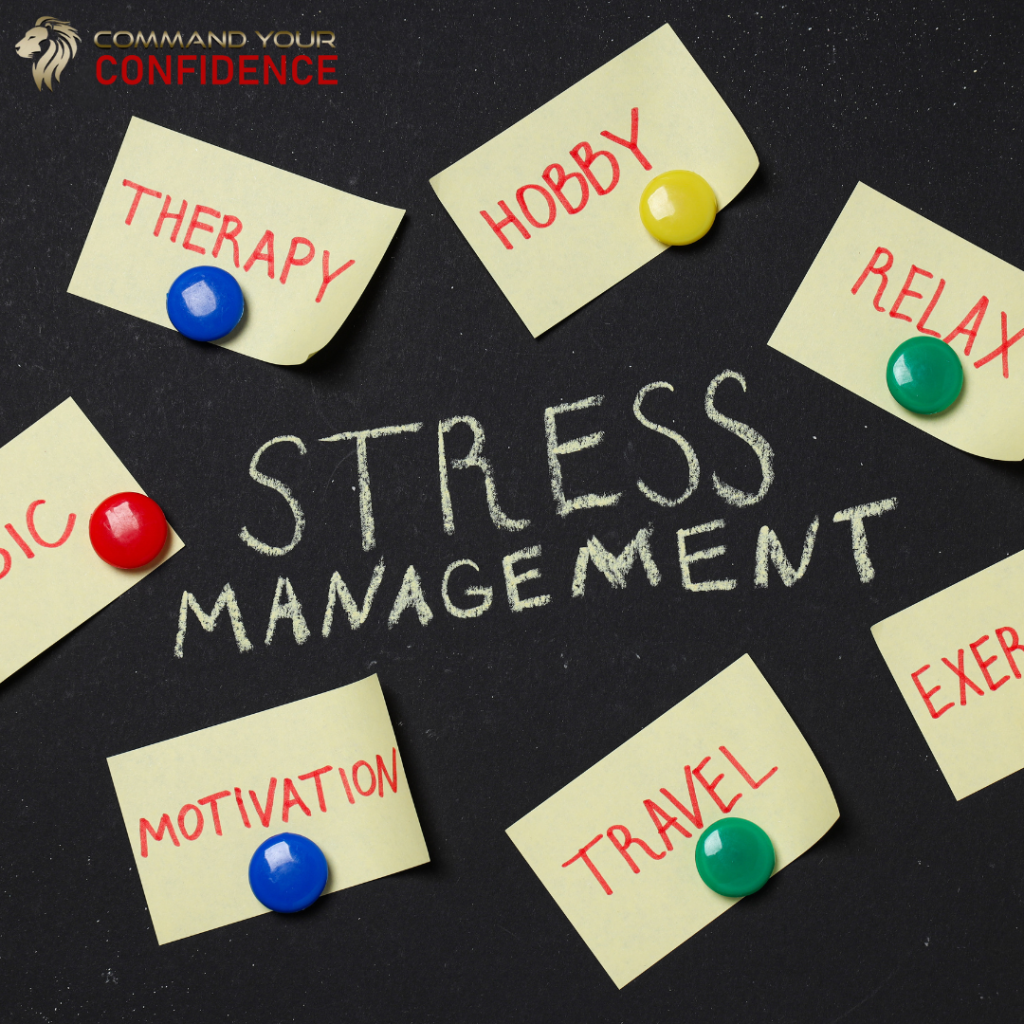
The Role of Mindfulness in Managing Anxiety
What Is Mindfulness?
Mindfulness is simply the practice of paying attention—on purpose, in the present moment, and without judgment. That means being aware of your thoughts, emotions, and body sensations as they happen, without trying to fix or avoid them.
It sounds simple, but it’s not always easy. Our minds are wired to wander, especially when we’re anxious. But each time you bring your attention back—whether to your breath, a sound, or a feeling—you’re training your brain.
And the more you train, the stronger your calm muscle gets.
The Neuroscience Behind Mindfulness for Anxiety
Studies show that consistent mindfulness practice can shrink the amygdala—the brain’s fear center—and strengthen the prefrontal cortex, which helps with decision-making and emotional regulation.
When you’re mindful, you’re rewiring your brain to pause before reacting, to observe instead of panic, and to respond with clarity. Over time, you become less reactive, more centered, and way better equipped to handle life’s chaos.
Why Mindfulness Beats Willpower in Staying Calm
Ever tried to just “will” yourself to stop worrying? It doesn’t work. Willpower is a limited resource—it fades when you’re tired, hungry, or stressed.
Mindfulness, on the other hand, doesn’t rely on force. It creates awareness and space between stimulus and response. So instead of reacting automatically, you learn to respond with intention.
Think of it like upgrading your emotional operating system.
Building the Habit of Calmness
Training Your Mind Like a Muscle
Calmness isn’t something you either have or don’t—it’s a skill. And like any skill, it gets stronger with practice.
The trick is consistency. Just 5-10 minutes a day of intentional practice can start to rewire your brain. Over time, you’ll notice you’re less reactive, more present, and quicker to return to baseline after a stressful event.
Start small. Focus on progress, not perfection.

Easy Daily Practices for Calm Under Pressure
- Morning Breathing Ritual: Start your day with 3 deep breaths. Inhale for 4 seconds, hold for 4, exhale for 6. This sets your nervous system into a calm state.
- Mindful Walking: Take a 5-minute walk without your phone. Feel your feet hit the ground. Notice the sounds around you.
- Check-In Journaling: Every evening, write down what made you feel calm and what triggered stress. This builds self-awareness.
These don’t take hours, but they create a ripple effect in how you show up to life.
The 5-4-3-2-1 Technique for Grounding
When anxiety hits hard, try this:
- 5 things you can see
- 4 things you can touch
- 3 things you can hear
- 2 things you can smell
- 1 thing you can taste
This technique engages your senses and pulls your brain out of the spiral. It’s simple, but wildly effective.
Stress Control Techniques That Work
Breathwork and the Parasympathetic Nervous System
Your breath is the most powerful tool you carry. It’s always with you, and it directly influences your nervous system. Slow, intentional breathing activates the vagus nerve, which switches on the parasympathetic system—the one responsible for calm and digestion.
Try this: Inhale for 4 seconds, hold for 7, exhale for 8. Repeat for 2-3 minutes. You’ll feel your heart rate drop and your mind settle.
Breathwork is not woo-woo—it’s biology.
The Power of Journaling and Expressive Writing
Getting thoughts out of your head and onto paper clears mental clutter. Journaling helps you process emotions, identify patterns, and create distance from your inner critic.
Try this:
- “What is making me feel out of control right now?”
- “What can I control at this moment?”
- “What would I say to a friend feeling this way?”
Writing turns chaos into clarity.
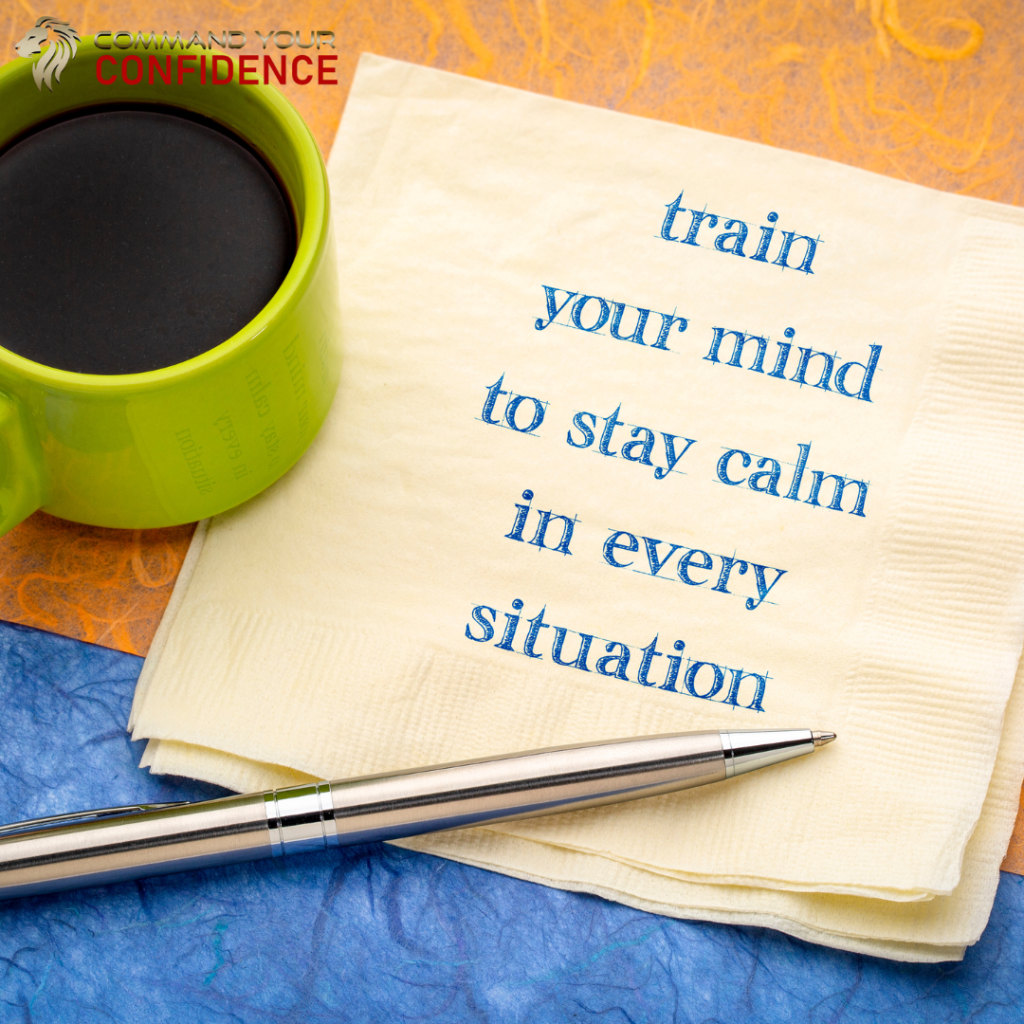
Using Nature and Physical Activity for Mental Balance
Movement and nature aren’t just good for your body—they’re medicine for your mind. A 10-minute walk in greenery can lower cortisol levels. Exercise boosts endorphins, clears your mind, and helps you feel capable.
If you’re stuck in a spiral, move your body. Even a few jumping jacks can snap you back to center.
Conclusion: You Can Train Calmness Like a Skill
Let’s bring it all home. Life won’t stop being chaotic. But your relationship with that chaos? That can change dramatically.
You now have a roadmap:
- Understand your stress response
- Practice mindfulness for anxiety
- Use proven stress control techniques.
- Create calming rituals and boundaries.
- Make lifestyle choices that support your nervous system.
It’s not about being perfectly calm 24/7. It’s about bouncing back faster, staying grounded more often, and knowing you have tools when life hits hard. Calm is a muscle. The more you train it, the stronger it gets. So, start today. Even one minute of mindful breathing is a win. And if you need help, you’re not alone.
Ready to take back control and stop letting stress run the show? Contact me now to start your journey with mindfulness coaching and finally command your confidence.
FAQs
1. How quickly can I see results from mindfulness?
You can feel a shift in as little as one session. But for lasting results, consistency matters. Most people notice significant changes within 2-4 weeks of daily practice.
2. What’s the best time of day to practice stress control techniques?
Anytime you can be consistent is the best time. Mornings help set the tone, while evenings help with emotional detox. Use short resets throughout your day as needed.
3. Can mindfulness replace therapy or medication?
Mindfulness is a powerful complement—but not a replacement—for professional support. Always consult with a therapist or doctor for severe anxiety or depression.
4. How do I stay calm in truly urgent emergencies?
Train with daily practices, so your calm “muscle memory” activates under pressure. Focused breathing, grounding, and presence help you respond more clearly, even in chaos.
5. Are there any risks in mindfulness practices?
For most people, mindfulness is safe and beneficial. However, if you have a trauma history or mental health concerns, it’s wise to practice under professional guidance initially.