

Every January, people around the world enthusiastically set big goals, flooding gyms, buying planners, and posting resolutions online. But by February, motivation fades, and many of those goals are abandoned. This pattern isn’t due to laziness but often stems from a lack of sustainable planning and structure. Each failed attempt can erode self-confidence, creating a cycle of disappointment.
This article isn’t about empty motivation or fluffy inspiration. It’s a deep dive into why most people abandon their goals so early—and more importantly, what you can do differently to achieve lasting success, finally. Whether you aim to lose weight, build a business, write a book, or improve your mindset, the insights below will help you break the cycle once and for all.
Let’s get into it.
Most Common Reasons for Goal Failure
Lack of Clear Planning
Many goals fail because they lack clear, specific planning. Vague intentions like “get healthier” or “save more money” don’t provide a concrete direction or measurable outcome. Without defined steps, it’s hard to make progress or stay motivated. Just like building a house requires blueprints, achieving goals requires a structured plan with actionable steps, deadlines, and checkpoints. The more detailed your plan, the better your chances of success, even when challenges arise.
Unrealistic Expectations
Unrealistic expectations can derail your progress by setting you up for failure and burnout. Aiming too high too quickly—like trying to lose 30 pounds in a month or earning six figures in 90 days—creates pressure and promotes all-or-nothing thinking. When setbacks happen, they feel catastrophic and lead to discouragement.
True progress comes from small, consistent steps that stretch you without overwhelming you. Grounding your goals in reality helps maintain momentum and builds sustainable, long-term success.
No Accountability
Without accountability, it’s easy to make excuses and fall off track with your goals, whether it’s skipping workouts, breaking your diet, or overspending. When no one’s checking in, your brain finds ways to justify poor choices. But having someone to support and check in with you—like a friend, coach, or group—can dramatically improve your commitment.
Studies show that sharing your goals with a partner increases your chances of success by 65%, and adding regular check-ins boosts that to 95%. Simply put, you’re more likely to go the distance when you’re not doing it alone.
Burnout from Overcommitment
Burnout from overcommitment often happens when people set too many ambitious goals at once—like working out daily, waking up early, or learning new skills—all at the start of the year. This all-or-nothing approach overwhelms the brain, which isn’t built for instant change. Instead, sustainable progress comes from gradually building habits and focusing on one or two key goals at a time.
By stacking new habits only after the initial ones feel natural, you avoid burnout and increase your chances of success. Remember, lasting change is a marathon, not a sprint—pace yourself.
How to Set Goals That Stick
Use the SMART Framework
Tired of vague resolutions like “get fit” or “make more money”? Time to get SMART.
The SMART goal framework helps turn dreams into actionable steps. Here’s what it stands for:
- Specific: What exactly do you want to achieve?
- Measurable: How will you track your progress?
- Achievable: Is this goal realistic for your current situation?
- Relevant: Does this goal align with your bigger vision?
- Time-bound: When will you accomplish it?
Let’s take an example. Instead of saying “I want to get healthy,” a SMART goal would be: “I will exercise for 30 minutes, 5 days a week, for the next 3 months to lower my blood pressure.”
See the difference?

Create Micro-Goals
Big goals can feel overwhelming. Lose 50 pounds. Save $10,000. Write a book.
Where do you even start?
That’s where micro-goals come in. These are small, manageable tasks that move you steadily toward your larger vision. Think of them as stepping stones that build momentum.
Instead of “write a book,” start with “write 300 words a day.” Instead of “lose 50 pounds,” aim for “drink 8 glasses of water daily” and “walk 15 minutes every morning.”
Each micro-goal you accomplish gives your brain a dopamine hit, fueling motivation and reinforcing progress. Over time, these small wins stack up into massive results.
Plus, micro-goals are easier to fit into a busy life. They reduce overwhelm, build consistency, and make the process feel doable.
Track Progress Weekly
If you can’t measure it, you can’t manage it.
Tracking your progress doesn’t just keep you accountable—it keeps you inspired. When you can see how far you’ve come, it boosts your confidence and reminds you that your effort is paying off.
Use tools like habit trackers, goal-setting journals, or apps like Notion, Trello, or Google Sheets. Set a weekly review date with yourself to:
- Reflect on what worked and what didn’t
- Celebrate your wins
- Adjust your strategies if needed.
Even a quick 10-minute check-in each week can massively improve your consistency. You’ll stop drifting and start directing.
Progress isn’t always linear, but when you track it, you realize just how much you’re growing.
Celebrate Milestones
We often wait until the final goal is reached to celebrate—but that’s a mistake.
Celebrating small milestones along the way gives your brain positive reinforcement. It creates an emotional reward for your effort and keeps the journey enjoyable.
Hit a new personal record at the gym? Treat yourself to new workout gear. Saved your first $1,000? Celebrate with a nice dinner. Finished your 30-day journaling challenge? Share it on social media and soak in the support.
Celebrating progress keeps you emotionally invested in your goals. It builds momentum and makes the process more sustainable. After all, why pursue a goal that makes you miserable?
Make the journey fun, and you’re more likely to stay on it.
Lifestyle Adjustments for Long-Term Success
Build Routines, Not Just Goals
Goals are great, but routines are the real MVPs.
Why? Because goals are outcomes. Routines are systems. And systems are what sustain progress when motivation fades.
Think about it: if your goal is to write a book, your daily routine of writing 500 words is what makes it happen. If your goal is to run a marathon, it’s your weekly training schedule that gets you across the finish line.
Routines automate progress. They reduce decision fatigue. And they turn goal-crushing into a habit instead of a herculean effort.
Start small. Create a morning ritual. Block out 30 minutes a day for your priority goal. Build your routine like a muscle—slowly and with intention.
Eventually, your routine becomes your identity. And that’s when real change sticks.
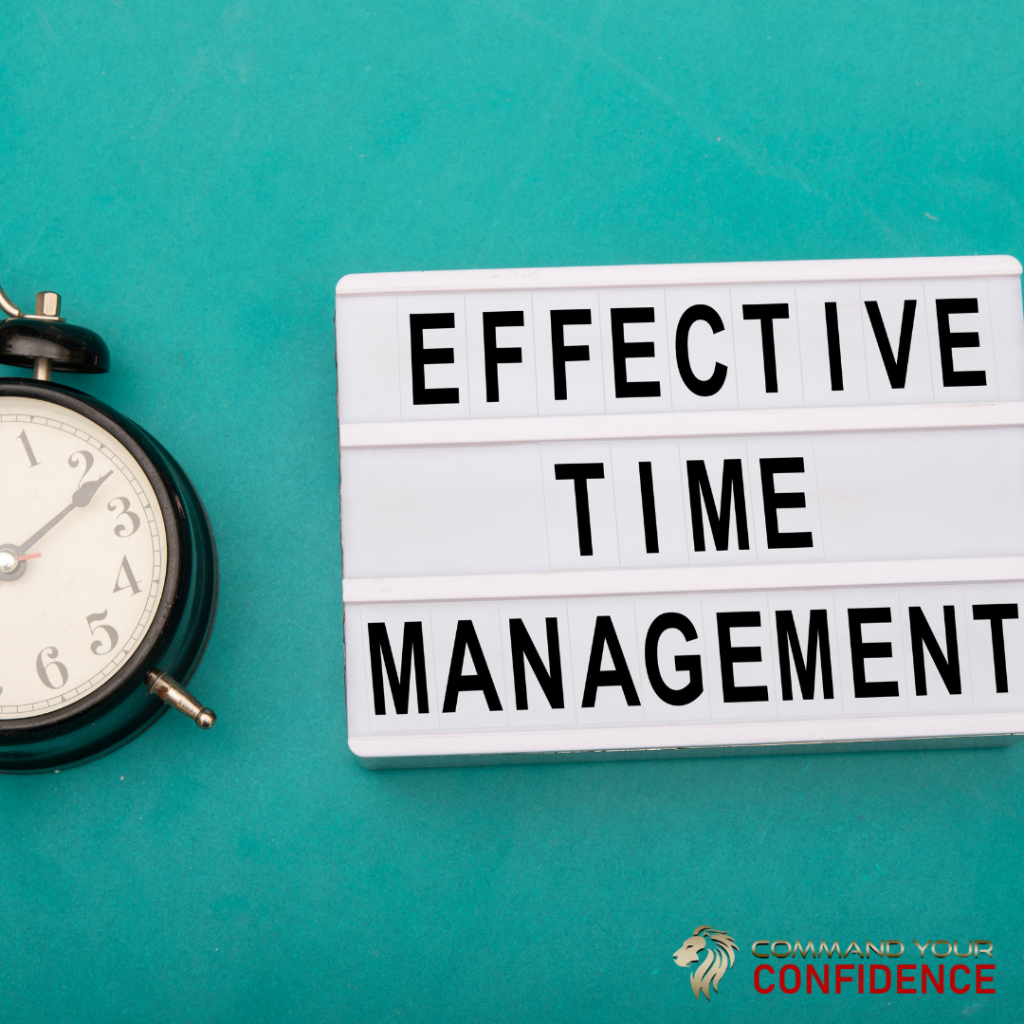
Time Management Mastery
Time is the one resource you can’t get more of. So if you want to reach your goals, you need to master your calendar.
Most people don’t achieve their goals because they don’t schedule time for them. They “fit it in when they can,” which usually means they never do.
Here’s a better strategy:
- Use time blocking: Allocate chunks of your day to specific tasks
- Prioritize your most important goal-related activity each morning.
- Say “no” to time-wasters that don’t align with your vision.
- Use tools like Google Calendar, Todoist, or Notion to keep yourself organized.
Protect your time like a boss. Your future self will thank you.
Remember: You don’t need more time—you need better priorities.
Prioritize Self-Care
You’re not a robot. You can’t operate at full throttle 24/7 and expect to thrive. If you want your goals to last longer than a few weeks, you need to build in recovery time.
That means:
- Getting quality sleep
- Eating nourishing foods
- Moving your body daily
- Practicing mindfulness or meditation
- Taking guilt-free breaks
Burnout is one of the top reasons people quit. It’s not because they’re lazy—it’s because they’re exhausted.
So be proactive. Treat self-care not as a luxury but as a non-negotiable part of your goal strategy. When your mind and body are aligned, your potential skyrockets.
What to Do When You Feel Like Quitting
Reassess, Don’t Abandon
Every journey hits bumps. There will be days (or weeks) when things don’t go according to plan. You’ll miss workouts. You’ll slip on your budget. You’ll question if it’s even worth it.
Here’s what you need to remember: a setback is not a signal to stop—it’s a cue to reassess.
Instead of quitting, zoom out. Ask yourself:
- Is this goal still aligned with my values?
- Are my expectations realistic?
- Am I overcommitting?
- What can I adjust to make this easier?
Too often, people throw away progress just because it wasn’t perfect. But perfection is never the goal—progress is. Think of your journey like GPS navigation. If you take a wrong turn, it doesn’t tell you to go back home. It recalculates and reroutes you.
Give yourself that grace. Pivot when needed, but don’t abandon your path.

Reignite Motivation
Motivation is like a muscle—it needs to be exercised and nourished regularly.
If you feel your drive fading, try these proven techniques to reignite it:
- Reconnect with your “why” – Why did you start in the first place? Remind yourself often.
- Visualize the finish line – Picture how it will feel to achieve your goal.
- Watch or listen to motivational content – YouTube videos, podcasts, and audiobooks.
- Change your environment – Rearrange your workspace or join a new gym.
- Talk it out – A conversation with your coach, friend, or accountability partner can reignite your spark.
Remember: you won’t always feel motivated. That’s okay. Discipline and structure are your safety nets when motivation dips. But with the right strategies, that fire can be relit anytime you choose.
Take Action Today
You now know why most people fail their goals by February—and more importantly, how to make sure you don’t.
But here’s the truth: all this insight means nothing without action. Reading this article is a great start, but it’s just the beginning. Now it’s time to put it into practice.
- Revisit your current goals. Are they SMART?
- Break them into micro-goals.
- Set up a weekly check-in.
- Reach out for coaching or accountability.
- Adjust your routines to support your dreams.
If you’re tired of watching your resolutions dissolve year after year, let this be your turning point. The right plan, support, and mindset can transform your goals from fleeting dreams into lasting achievements.
Don’t repeat last year’s patterns. Contact me for personalized goal-setting coaching that sticks.
Conclusion
So why do most people fail their goals by February? It’s not because they lack talent, intelligence, or ambition. It’s because they lack a system that works.
From vague plans and unrealistic expectations to burnout and motivation dips, the obstacles are real—but they’re not unbeatable. By understanding the psychology of goal-setting, creating sustainable habits, and building the right support system, you can beat the statistics.
Remember: achieving your goals is a marathon, not a sprint. It requires patience, consistency, and belief in yourself. But with the strategies we’ve covered, you’re not just setting goals—you’re creating a blueprint for transformation.
You’ve got this.
If you’re serious about breaking free from the cycle of failed resolutions and want a proven system to achieve your goals, let’s work together. At Command Your Confidence, I’ll help you stay focused, build unshakable confidence, and take consistent action toward the life you’ve envisioned. Start your transformation today with professional coaching designed for lasting results.
FAQs
1. What are the top reasons people fail their goals?
The most common reasons include vague goal-setting, lack of planning, unrealistic expectations, no accountability, burnout, and a drop in motivation after January.
2. How can I stay motivated throughout the year?
Focus on your “why,” break goals into smaller steps, celebrate progress, track your wins, and surround yourself with supportive people.
3. What is the SMART goal method?
SMART stands for Specific, Measurable, Achievable, Relevant, and Time-bound. It’s a goal-setting framework that helps make your goals clear and actionable.
4. Is hiring a coach worth it?
Absolutely. A coach provides structure, accountability, expert guidance, and encouragement—dramatically increasing your chance of success.
5. How do I bounce back from failure?
Don’t see failure as the end—use it as feedback. Reassess your plan, identify what went wrong, and pivot. Progress isn’t linear, but consistency wins.